.png)


Bearded Dragon Morphs
- Courtney Roten
- Jan 29, 2023
- 5 min read
This is a very simplified explanation of the different morphs or genes displayed in bearded dragons.
HYPO
This stands for hypomelanistic. It means "below normal color" and many times results in pastel colored dragons and lighter coloring. The biggest way to tell if your dragon is hypo is they will have clear nails. Hypo will often accompany other morphs and patterns. You'll often see hypo tigers in pet stores labeled as "fancy". Hypo can also be paired with all of the morphs listed below. It is a recessive gene which means a dragon needs a copy from both parents to display this gene.

TRANSLUCENT OR "TRANS" Translucents have a lack of white pigment. The animals appear “gummy” and more intensely colored. As babies, their bellies appear blue, and sometimes above their eyes will also have a blue tint. The eyes are not an indication of being a Translucent. Eyes can be normal or black. There is no such thing as partial Trans. The animal is either Translucent or not. However; I often see a trans dragon with normal eyes referred to as a low expression trans which can be a good way to explain that appearance. This is also a recessive gene. This gene is fragile and in my experience, they tend to grow slower. The best way to produce a healthy trans dragon is to breed 2 parents who carry this gene but do not display it visually (het for trans) to each other.

ZERO Zero is a recessive masking genetic that masks color and pattern in the animal, resulting in a silver gray color. These is a rare abnormality of these gene called 'partial masking' in which you can see the white covering parts of the dragon but then see their original colors also showing, which is how they would look if they didnt display the zero mutation. A healthy zero is bred from 2 parents who carry the zero gene but do not display it (het zero to het zero).

WITBLITS Patternless recessive mutation that have recently been developing more color! The biggest way to tell a witblits is they are lacking of pattern and they are the only dragon without dark shoulder pads. A more common witblits will be light in color and feature a tan or citrus appearance. The highly sought after witblits are usually not hypo and showcase bright colors! This is dubbed a "High Color Witblits". In this picture you will see the difference in our truly high colored witblits and our more commonly colored hypo wit. Both beautiful but obviously shows the huge variance in every wit!

LEATHERBACK Incomplete Dominant gene which means only one parents has to carry it to pass it on to the offspring. It also results in a homozygous 'super form' if both parents are leatherback known as a silkback, or silkie. Leatherbacks will have a smooth back but still feature spikes down the sides and on their head.

DUNNER Developed and named by Kevin Dunn. This is a dominant trait meaning there is no super form and it cannot be recessive. So no such thing as "het dunner" and only one parent has to be a dunner to produce dunner offspring. Also, 2 dunners breeding does not create a superform like how leatherback creates silkies. The easiest way to tell a dunner is they don't have the common rings down the tail. They will usually have spots of lines that run down the tail instead of ringing around it. Their scales point in all different directions and are shaped more cone-like. Also look at the dragon's beard and stomach as the spikes and scales are especially noticeable and facing all different directions. Dunners have notable patterns but there is no specific pattern that will always appear. Fun fact: The dunner has a very strange anomaly where they tend to hold food in the back of their throat, similar to a hamster does in their cheeks.

GENETIC STRIPE, THUNDERBOLT & KC PARADIGM I have these all grouped because these are all a part of the basic dominant trait of genetic stripe Genetic Stripe- Dominant mutation that features 2 clear and distinct racing stripes down each side of the spine! Generally they will run from the neck to the tail. If they aren't clear racing stripes, they may just color stripes which are still pretty but not genetic. Thunderbolt- This is a trans genetic stripe dragon that results from breeding 2 genetic stripes together! Their racing stripes are very bold.
KC Paradigm- Recently named and discovered by our friends at Killer Clutches. The paradigm was first thought to be a paradox until all clutches from his dragons showed the same pattern. Paradigm dragons are very distinct. They are thunderbolt dragons with large spots and patches of normal scales on their mostly translucent body. They are very new and will need to be studied to learn more. We have one currently and are excited to see what he produces in late 2022!

Pictured:
1. Dunner genetic stripe
2. KC paradigm thunderbolt
3. Leatherback genetic stripe
PARADOX This is a genetic abnormality in which no 2 dragons are the same. They feature random colors and blotches, and often the high expression have a coy appearance to their legs. There are some who are considered low expression and are not so brightly colored. Some may even not appear visually pleasing. The high expression are worth more and more highly sought after. They are not reproducible so they are rare and expensive. If you ever see someone selling a dragon "from paradox lines" they are simply using their lineage to try to sell them. There is zero proof that paradox lineage increases offs of reproducing a paradox. I believe paradox is related to the trans morph and a mutation of it (visual and het trans). Many do debate if that's accurate but I have yet to see a paradox that isn't trans or het trans. A common result of breeding trans X trans is a paradox morph although many times the breeders are not open about their unethical breeding practice. They just see $$$. Always ask for pics of parents if you are able. Trans X trans is the most unethical breeding practice and results in deformities and weakness and even death. And also short life spans.
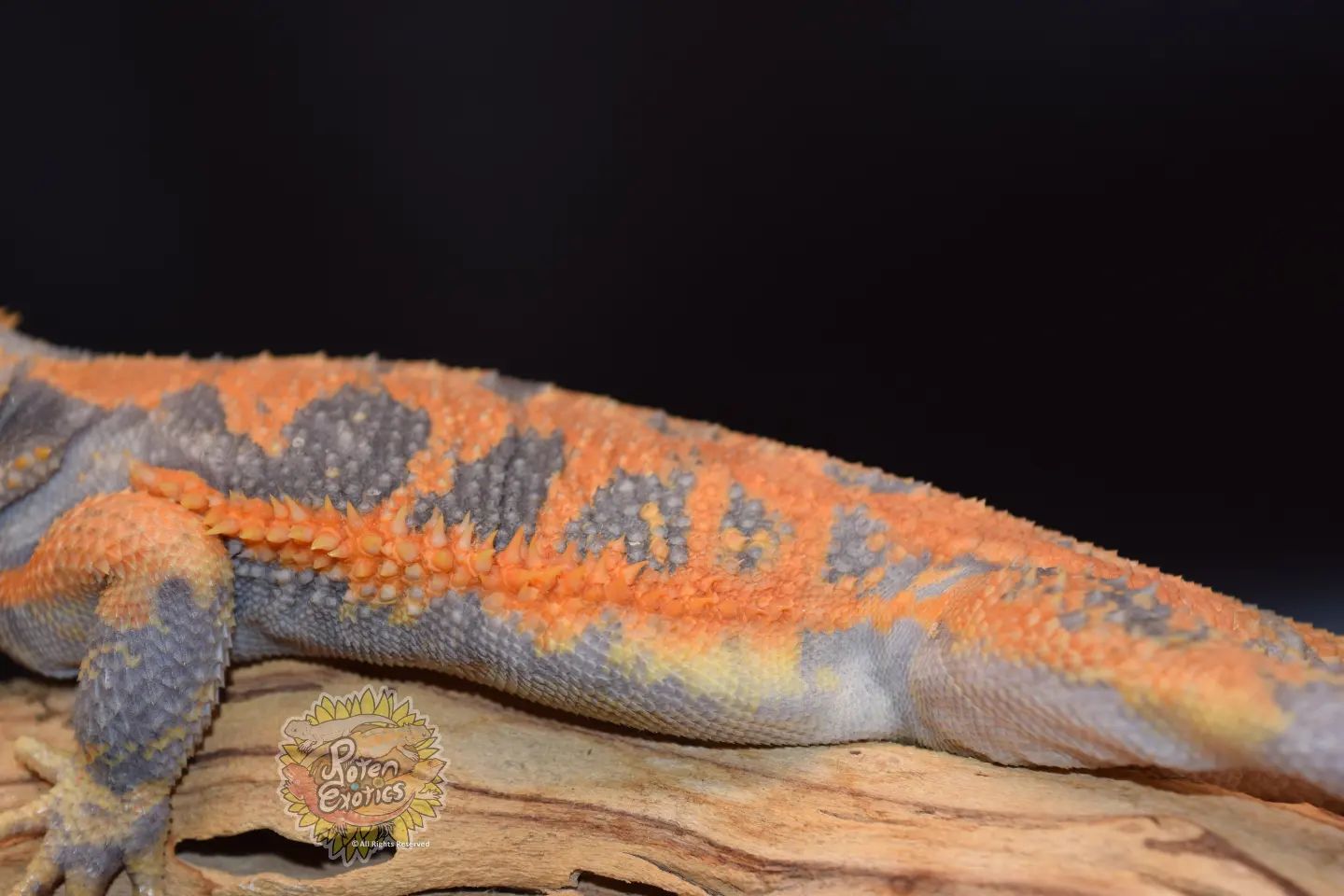
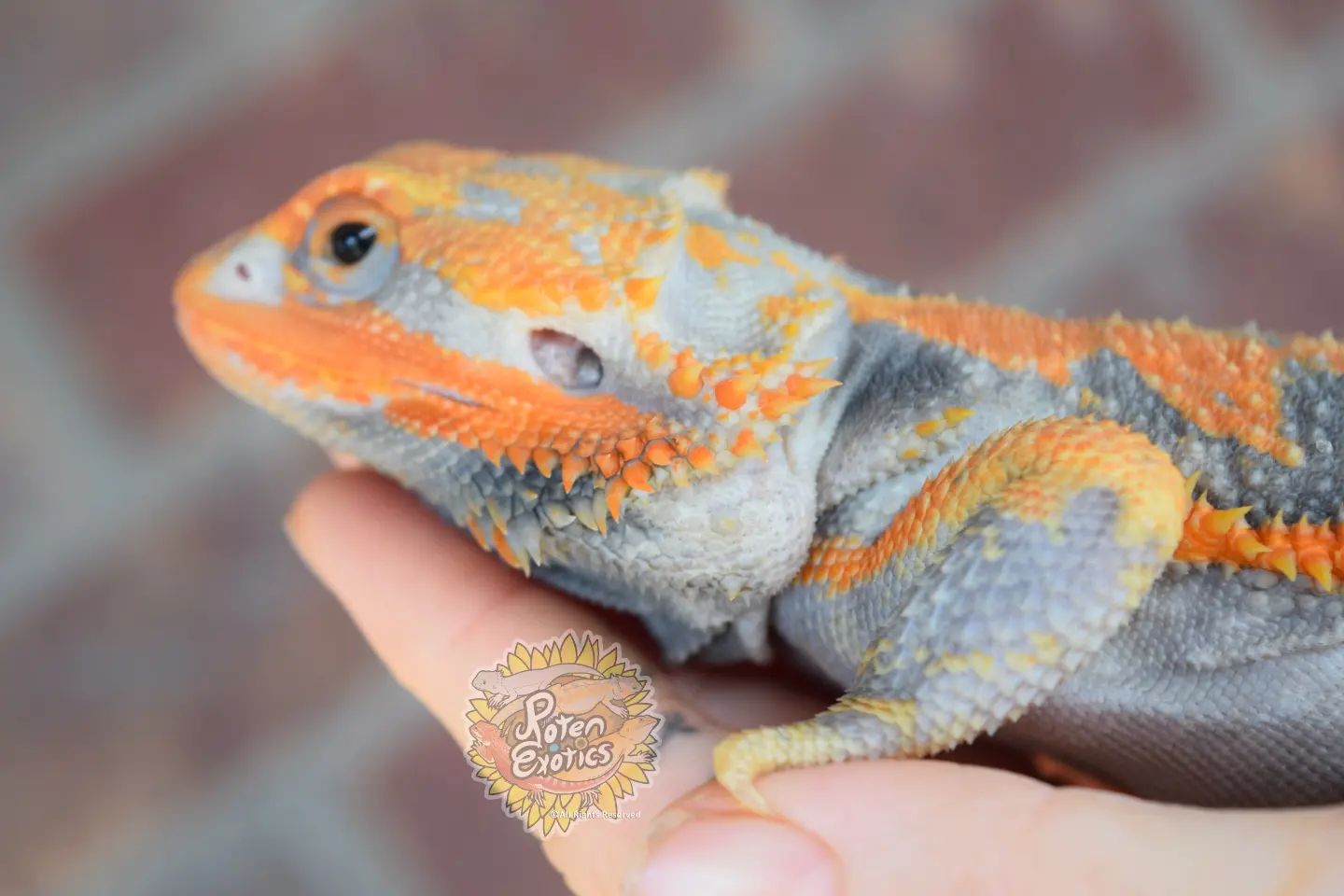
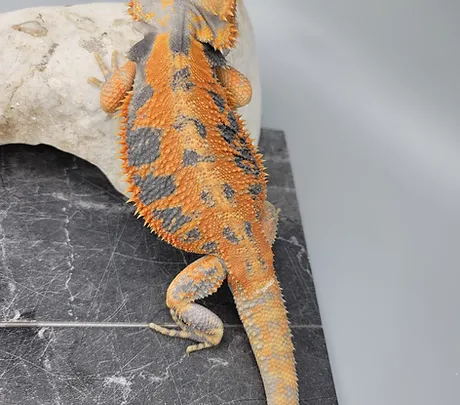
SILKBACK (SILKIE) This is the superform of a leatherback. The one actually pictured is a hypo translucent zero morph that I recently produced myself so that I could better gain first-hand knowledge about the breeding of this superform! It results in a smooth, scaleless dragon with very fragile skin and extremities. From my first hand experience, I do not recommend breeding 2 leatherbacks together to produce silkbacks. They dry out very easily and you constantly have to rub aloe all over them as well as offer daily soaks. It is time consuming and missing a single day might mean losing a tail or a finger for a silkie. These are also never to be bred (pet only) because of their sensitive skin. The lack of scales does result in extremely vivid and alien like dragons. It was an experience I am happy to share but I do hope that my first hand recommendation does help keep someone else from breeding this pairing.



Comments